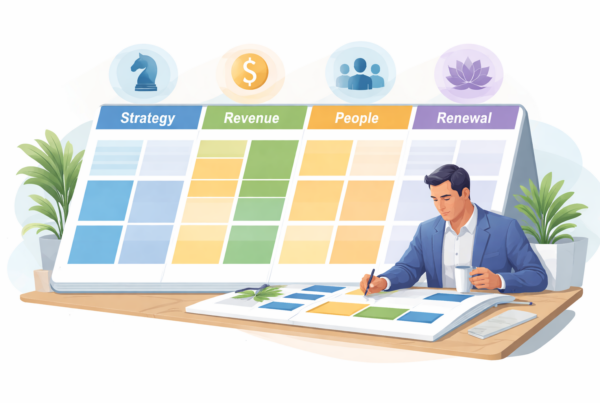

Professional development is most useful when it is connected to a real question, respectful of personal circumstances and tested through practice. This article offers general reflection prompts, not medical, mental-health, financial or other professional advice.
Define what progress means for this period
Choose one capability, relationship or work situation to improve. Describe what you would notice if it were working better, and what is within your influence. Avoid measuring your progress against a generic idea of success.
Turn a goal into a small practice
Large ambitions become easier to examine when they are translated into one behaviour you can try. For example, prepare one better question before a meeting, ask for specific feedback after a presentation or protect time for deliberate learning.
Review evidence with care
Notice what happened, what felt difficult and what you would change. Feedback can be valuable when it is specific and freely offered, but it is one source of information rather than a verdict on your ability or worth.
Work with setbacks responsibly
A setback may show that an approach, timing or support needs to change. It does not automatically establish a personal limitation. Where stress, health or wellbeing concerns affect day-to-day life, seek appropriate qualified support.
Build support around the work
Mentors, peers, managers and coaches can help you make thinking visible and follow through on agreed actions. Boundaries, confidentiality and the role of each person should be clear.
Illustrative example
A hypothetical manager who wants to listen more carefully could practise summarising before responding in three conversations, invite one colleague’s feedback and review the pattern after two weeks. The aim is learning, not a guaranteed outcome.
Where coaching fits
Coaching can create structured time to clarify goals, practise and review. It does not replace medical, mental-health, financial, legal or other specialist advice.
Book a free 15-minute fit call.
Frequently asked questions
How should I choose a development goal?
Choose a real situation that matters, a small behaviour to practise and a way to review what you learn.
Is professional development the same as therapy?
No. Development coaching focuses on agreed goals and practice; appropriate clinicians should support health or mental-health concerns.