Coaching Success · Reading with purpose
Productivity, Systems & Owner Freedom Books
← Joel’s Business Library
For owners and managers who want important work to happen consistently, with less dependence on heroic effort. Start with the constraint: attention, priorities or the way the business runs.
10 selections · Reading notes from Coaching Success · Updated September 2026
Start with one book. Choose the situation closest to your own, try the suggested action and review what you learn. The exercises are original application prompts from Coaching Success, rather than quotations from the books.
Three places to start
01
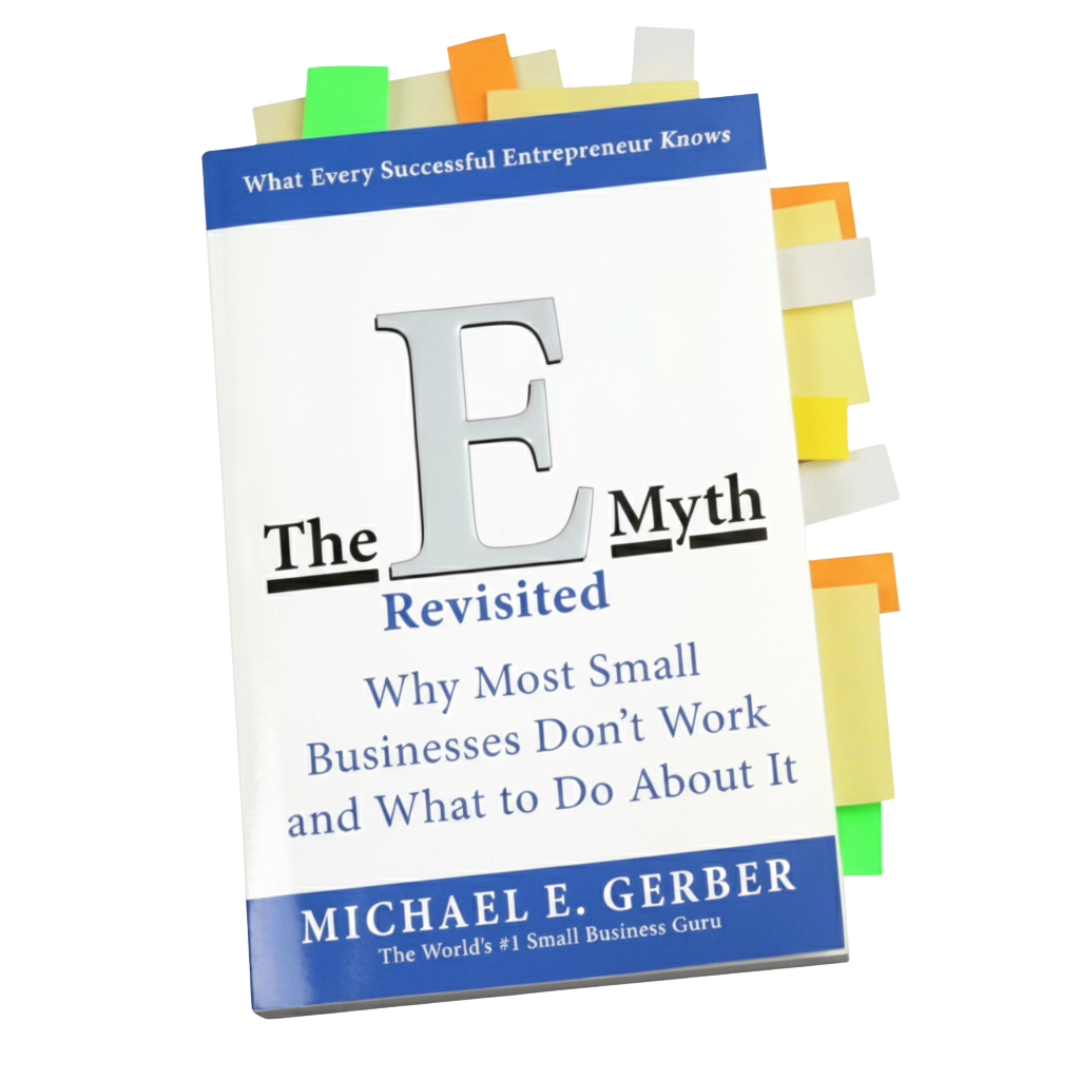
The E-Myth Revisited
Michael E. Gerber
Best for: Owners whose business depends on their constant involvement.
Reading notes & one action to try
Why it belongs on this shelf
Being good at the technical work does not automatically create a business that runs well. Gerber’s perspective is useful for stepping back from individual tasks and examining the repeatable way customers are served.
Try this
Choose a task only you can currently complete. Describe its expected result, main steps and quality check, then ask someone else where the explanation is unclear.
Keep in mind
Document a process that works; making a poor process repeatable will not make it good.
02
Atomic Habits
James Clear
Best for: People who know what they intend to do but struggle to repeat it.
Reading notes & one action to try
Why it belongs on this shelf
Small behaviours become easier to sustain when the environment supports them. Use this book to examine the cue and friction around an action rather than relying on motivation to arrive at the right moment.
Try this
Attach a two-minute version of one useful habit to something you already do. Track whether it happens for seven days before making it larger.
Keep in mind
Habits support execution, but they cannot fix an unrealistic workload or an unclear business priority on their own.
Best for: People whose most valuable work needs sustained concentration.
Reading notes & one action to try
Why it belongs on this shelf
Constant interruption can make a busy day produce very little that required real thought. Newport’s argument is useful for protecting attention deliberately and being clearer about which tasks need uninterrupted time.
Try this
Reserve a 45-minute block for one demanding task. Silence avoidable interruptions, define the output in advance and review what you completed.
Keep in mind
Customer-facing roles need responsive coverage; agree boundaries with colleagues rather than simply becoming unavailable.
Explore the rest of the shelf
04
Essentialism
Greg McKeown
Best for: Owners and managers with too many competing commitments.
Reading notes & one action to try
Why it belongs on this shelf
The value is in deciding where your contribution matters most and making space for it. Choosing a priority becomes more meaningful when you can also say which useful-looking activities you will stop or defer.
Try this
Review five recurring commitments. Choose one to remove, simplify or renegotiate so a more important contribution has protected time.
Keep in mind
Saying no requires attention to obligations and relationships, not just personal preference.
05
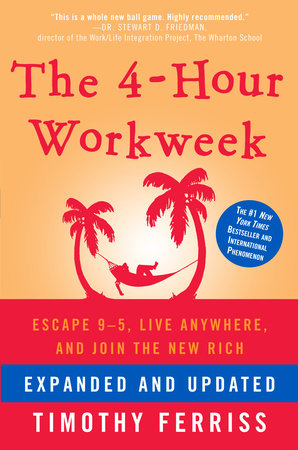
The 4-Hour Workweek
Tim Ferriss
Best for: Owners reconsidering what freedom from work would actually mean.
Reading notes & one action to try
Why it belongs on this shelf
The provocative title opens questions about delegation, selectivity and the design of work. Read it for ideas you can test about reducing dependency on the owner, rather than treating the title as a promised outcome.
Try this
List the tasks you repeat each week. Identify one that can be eliminated, simplified or delegated without reducing service quality.
Keep in mind
The business models and examples will not suit everyone. A four-hour week is not a realistic promise for every enterprise.
06
The Ultimate Sales Machine
Chet Holmes
Best for: Owners trying to make commercial activity more consistent.
Reading notes & one action to try
Why it belongs on this shelf
A handful of disciplines applied repeatedly can be more useful than a constant stream of new tactics. The book provides a reason to inspect how priorities, sales development and follow-through show up in the weekly calendar.
Try this
Choose one commercial activity that matters but happens irregularly. Give it a weekly slot, an owner and a simple completion measure.
Keep in mind
Keep the rhythm proportionate to your team; adding meetings is not the same as improving execution.
07
Clear Thinking
Shane Parrish
Best for: Leaders whose reactions sometimes outrun their judgement.
Reading notes & one action to try
Why it belongs on this shelf
Better decisions often begin with noticing the pressure of the moment. This is useful when urgency, ego or habit can push a conversation toward action before the problem and desired outcome are clear.
Try this
Before one important decision, write the outcome you want, the alternatives and what might be influencing your reaction. Revisit it after a short pause.
Keep in mind
Do not turn reflection into delay where a prompt decision is necessary; match the effort to the stakes.
08
Tools of Titans
Tim Ferriss
Best for: Readers who like comparing different routines and approaches.
Reading notes & one action to try
Why it belongs on this shelf
This collection offers many perspectives on performance and life. Its practical value comes from selecting an experiment that fits your circumstances, rather than assuming the routines of successful people form a universal recipe.
Try this
Pick one work-related practice that addresses a real difficulty. Test it for a week and decide in advance how you will judge its usefulness.
Keep in mind
Do not copy health, supplement or extreme performance advice without appropriate professional guidance.
09
The 7 Habits of Highly Effective People
Stephen R. Covey
Best for: People seeking a stronger foundation for priorities and relationships.
Reading notes & one action to try
Why it belongs on this shelf
Covey connects personal responsibility with how we work with others. For a busy owner, the distinction between urgent demands and important work creates a useful starting point for a more deliberate week.
Try this
Choose an important task that keeps being postponed. Book 45 minutes for it before the week fills up and review what changed.
Keep in mind
Use the principles as a practice to develop, not a checklist that can be completed once.
10
The Little Big Things
Tom Peters
Best for: Managers looking for small improvements in everyday execution.
Reading notes & one action to try
Why it belongs on this shelf
Small details influence how people experience a business. This is a useful collection to browse when you want to improve one interaction, one follow-up or one routine without launching a large change programme.
Try this
Walk through one ordinary customer interaction. Find a small point of friction and agree a practical improvement with the person closest to it.
Keep in mind
Avoid accumulating a long list of minor tasks while the main business constraint remains untouched.
These notes help you choose and apply a book; they are not substitutes for the complete work. You can borrow or buy the edition that suits you. Choose the ideas that fit your circumstances and test them thoughtfully.
Browse all six reading sections