Speaking · workshops · podcast conversations

Clearer choices.
Practical action.

Help your audience find the problem worth solving — and a useful next step they can take.

Discuss your event or podcastDownload speaker & podcast profile (PDF)

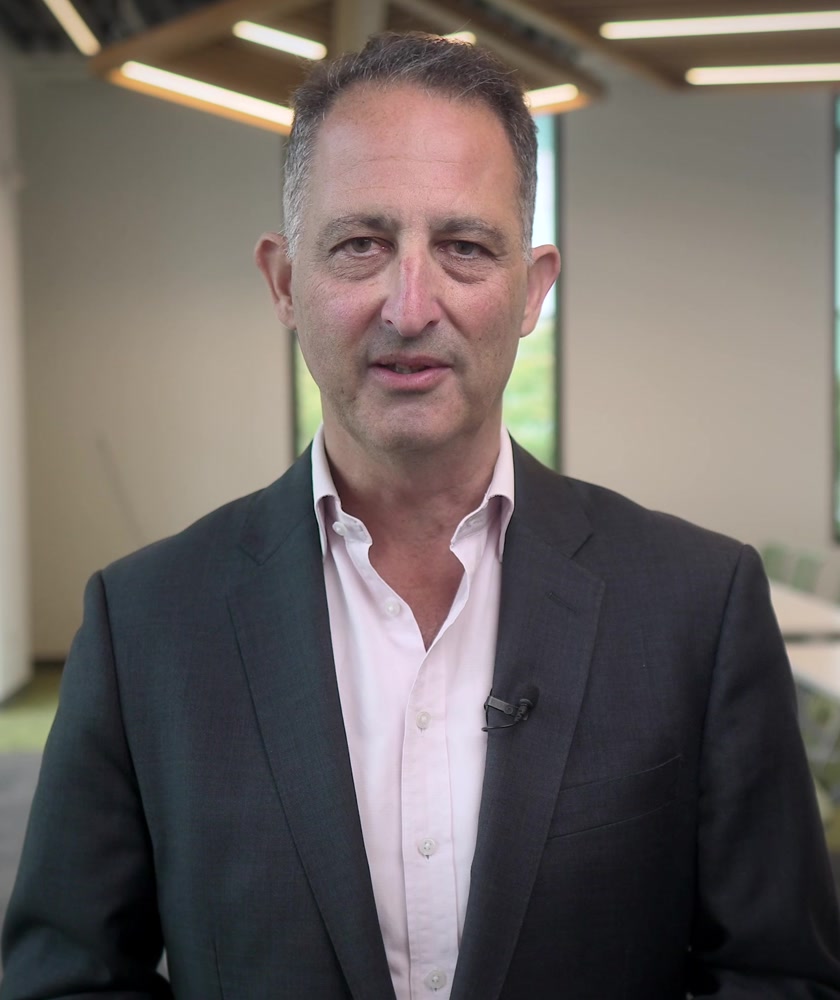
Joel Zimelstern speaking to camera
Joel Zimelstern
Business coach · Vancouver, British Columbia
UnderstandThe challenge behind the symptoms
ChooseWhere effort will make a difference
ActA practical, purposeful next step

A business can be busy and still struggle to move forward. A leadership team can agree that change is needed without agreeing what to change. And the people expected to implement a decision may still be asking why it matters.

I help owners and teams examine the problem in front of them, consider their choices and identify a practical way forward. We shape the conversation around your audience and the purpose of your event.

Three starting points

A conversation that matters
to the people in the room.

01

Finding the business problem worth solving

For owners and leadership teams facing competing priorities.

When everything feels urgent, it is easy to work harder on the most visible problem. The harder question is whether solving it will make a meaningful difference.

Explore how to distinguish a desired result from the challenge preventing it — and focus on an important obstacle the business can realistically address.

  • Separate symptoms, assumptions and evidence.
  • Consider what is within your influence.
  • Identify a focused action and a way to review it.

A useful takeaway: a clearer question to test before committing more time or resources.

02

Lead your business,
not just run it

For owners whose daily demands keep displacing the work that matters.

Who is setting the direction of your business: you, your diary or the latest customer request?

Examine the choices that shape the business over time: the customers you serve, the work you accept, the boundaries you set and the priorities you keep postponing.

  • Recognise when delivery is crowding out leadership.
  • Weigh an opportunity against return, capacity and fit.
  • Decide whether to pursue it, reshape it or decline it.

A useful takeaway: one important goal connected to protected activity and a useful review point.

03

Making change workable

For organisations preparing for change or helping people implement a decision.

Change involves different conversations at different stages. We begin by establishing which conversation your organisation needs.

People need to understand the purpose of the change, the choices available and the obstacles ahead. Concerns are information to understand — not simply resistance to overcome.

Executives & decision-makers

Choosing the direction

Examine the challenge, test assumptions and surface competing priorities before asking people to act.

Intended output: a clearer shared understanding of the choices under consideration, the decisions needed and what still requires investigation.

Implementation teams

Working with the direction

Explore why the change is necessary, what has been decided and where the team still has choices.

Intended output: greater clarity about purpose, practical obstacles and constructive first steps, including skills or resources that need attention.

A format that serves the purpose

From a useful idea
to time to apply it.

20–30 MINUTES

A focused talk

One central idea, a clear example and a practical question to take away. A concise contribution to your programme.

45–60 MINUTES

Talk & discussion

Room to explore an approach, work through an example and involve the audience through reflection or questions.

90 MINUTES

Practical workshop

Time to apply ideas to an exercise, compare perspectives and identify a next action. The scope is agreed beforehand.

Proposed formats, shaped around the audience. A leadership discussion may need a different structure; purpose, participants and intended output come first.

About Joel

Practical.
Questioning.
Focused on what’s next.

I work with business owners through Coaching Success and lead ProfitCLUB business-education sessions. Those conversations connect the direction owners want to take with the choices, customer relationships and day-to-day actions that shape their progress.

I am also a trainer of neuro-linguistic programming (NLP), applying it in business and individual development. We examine what is happening, test the assumptions behind it and consider what can be done next.

My approach explores success at the intersection of who you are being, what you do and the results you want to have. Bringing identity, action and outcomes into the same conversation helps us examine where they align — and where change is needed.

Participants should leave with useful thinking they can apply, whether or not they ever choose to work with me again.

For podcast hosts

A thoughtful conversation.
Something listeners can use.

Available for podcast interviews about the choices behind a business, the realities of change and turning good intentions into practical action.

The aim is a useful conversation, not a sales presentation. We can agree an angle that fits your listeners and leave them with a question or action worth taking away.

Plan a podcast conversation

Possible interview angles

Questions worth exploring

  • How do you know you are solving the right business problem?
  • When does being busy stop being useful?
  • What can a missed action tell us about the plan?
  • How can people find meaningful choices within change?

Have a different angle? Tell me about your audience, your format and the conversation you want to create.

Let’s begin with your audience

What would make this
a worthwhile conversation?

Your event, team session or podcast

Tell me who will be in the room, what they are facing and what you would like the session to help them understand or do.

We can then consider whether there is a useful fit and what shape the session should take.

A useful starting brief

  • Your audience and their situation
  • The intended outcome
  • Date or flexibility, location and format
  • Available programme time

The meeting link opens Joel’s existing Calendly page. Choose from the times shown there; a planning conversation is not confirmation of a speaking engagement. This page does not submit a form.