04
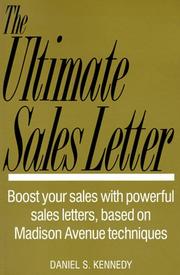
The Ultimate Sales Letter
Dan S. Kennedy
Best for: Owners improving a sales page, letter or direct response message.
Reading notes & one action to try
Why it belongs on this shelf
A persuasive message begins with the reader’s priorities. The useful discipline is to connect a specific problem, a credible explanation and a clear next step without expecting the audience to do the translation.
Try this
Rewrite the opening paragraph of one sales message around the customer’s problem. Remove a claim you cannot support and clarify the next action.
Keep in mind
Use truthful, proportionate claims and avoid artificial urgency; effectiveness should not come at the cost of trust.
05
To Sell Is Human
Daniel H. Pink
Best for: People whose work involves influencing, explaining and gaining commitment.
Reading notes & one action to try
Why it belongs on this shelf
Selling extends beyond a job title. This broadens the discussion to how people help others consider a change, making it useful for managers, consultants and owners who would not describe themselves as salespeople.
Try this
Think of one proposal that stalled. Rewrite it from the other person’s viewpoint: what changes, what improves and what concern remains?
Keep in mind
Understanding another person is more useful than treating every interaction as a transaction.
06
Quantum Marketing
Raja Rajamannar
Best for: Marketing leaders questioning familiar assumptions in a changing environment.
Reading notes & one action to try
Why it belongs on this shelf
This is a prompt to revisit how marketing choices connect to the experience of the customer. Use the wider perspective to ask which established activities still deserve attention and which need evidence of their value.
Try this
List your three main marketing activities. For each, write the customer behaviour it is intended to influence and how you know whether that happens.
Keep in mind
Technology examples age quickly; verify any platform or tool recommendation against current conditions.
07
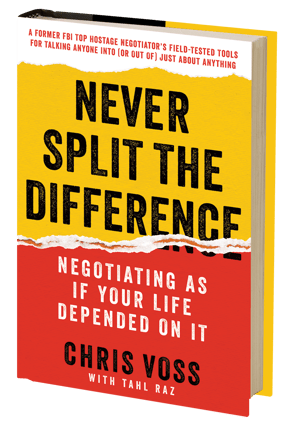
Never Split the Difference
Chris Voss & Tahl Raz
Best for: Owners and managers preparing for difficult negotiations.
Reading notes & one action to try
Why it belongs on this shelf
Listening closely and understanding the other party’s perspective can change the quality of a negotiation. The book is useful for slowing the rush to argue your position before you have understood the concern behind theirs.
Try this
Before a negotiation, list the other party’s likely concerns. Prepare one open question that helps them explain what matters most.
Keep in mind
High-stakes negotiation stories are not a script for every relationship. Preserve trust and adapt the approach to the context.
08
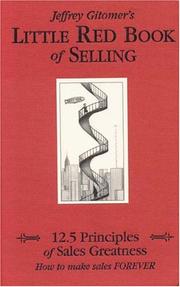
Little Red Book of Selling
Jeffrey Gitomer
Best for: Salespeople working on credibility, value and consistency.
Reading notes & one action to try
Why it belongs on this shelf
The selection puts attention on the person doing the selling as well as the offer. It is useful when the next improvement is clearer value, stronger preparation or a more reliable follow-up habit.
Try this
Replace one generic claim in your pitch with a concrete, supportable example of customer value. Ask a colleague whether it is convincing.
Keep in mind
Confidence cannot compensate for a poor fit between the offer and the customer’s needs.
09
This Is Marketing
Seth Godin
Best for: Owners clarifying who they want to serve.
Reading notes & one action to try
Why it belongs on this shelf
Starting with the people you seek to help can make marketing decisions more coherent. This is useful when a business is trying to appeal to everyone and its message has become difficult for anyone to recognise as relevant.
Try this
Describe a specific customer group, the change they want and why your offer fits. Remove one audience from your message if you cannot serve it well.
Keep in mind
A narrow focus is a strategic choice to test, not a reason to ignore the economics of the market.
10
Building a StoryBrand
Donald Miller
Best for: Businesses whose website makes the customer work too hard.
Reading notes & one action to try
Why it belongs on this shelf
Clear messaging helps a reader understand the problem you address and the next step available. Read this alongside your homepage: an internal description of the company is not always a useful explanation for a prospective customer.
Try this
Ask someone unfamiliar with your business to look at the homepage briefly. Can they explain what you offer, who it helps and what to do next?
Keep in mind
A tidy message still needs an offer you can deliver and evidence that makes the promise credible.