Best for: Managers reconsidering what motivates capable people.
Reading notes & one action to try
Why it belongs on this shelf
Autonomy, mastery and purpose offer a useful lens on work design. A reward alone may not fix a role that gives someone little ownership, no room to improve or no clear reason their contribution matters.
Try this
Choose one role and ask its holder where greater decision-making freedom would help. Define a small trial with clear boundaries and a review date.
Keep in mind
Motivation also depends on fair pay, resources and individual circumstances. This is not an excuse to replace compensation with purpose.
05
The Excellence Dividend
Tom Peters
Best for: Leaders who want service and people development to become daily priorities.
Reading notes & one action to try
Why it belongs on this shelf
Peters brings attention back to the ordinary encounters through which a business earns trust. Excellence becomes more concrete when translated into how colleagues are supported and how customers experience the next interaction.
Try this
Choose one recurring customer frustration. Ask the team closest to it for a practical improvement and give someone ownership of a two-week trial.
Keep in mind
The energetic style is idea-rich; choose a few useful practices rather than turning every passage into another initiative.
06
Who
Geoff Smart & Randy Street
Best for: Owners and managers preparing to hire.
Reading notes & one action to try
Why it belongs on this shelf
A clearer definition of success makes hiring conversations more useful. This is a prompt to specify the outcomes of a role before deciding which candidate tells the most convincing story in an interview.
Try this
Before the next vacancy, list three outcomes the person must achieve in their first six months. Use the same job-relevant questions for each candidate.
Keep in mind
Adapt any selection process to fair, accessible hiring practices and your local employment requirements.
07
Lead with a Story
Paul Smith
Best for: Leaders who need ideas to be understood and remembered.
Reading notes & one action to try
Why it belongs on this shelf
Stories can give an abstract value or decision a concrete human setting. The useful discipline is to connect a real situation, a choice and its consequence, rather than covering a weak argument with entertaining detail.
Try this
Take one value in your business and find a true example of it in action. Explain the situation and the choice in two minutes.
Keep in mind
Keep stories accurate and protect confidential details; a memorable anecdote does not replace wider evidence.
08
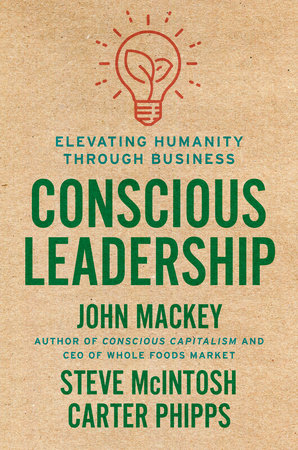
Conscious Leadership
John Mackey, Steve McIntosh & Carter Phipps
Best for: Leaders exploring the relationship between purpose and responsibility.
Reading notes & one action to try
Why it belongs on this shelf
The book invites a broader view of leadership than personal status or quarterly results. It raises questions about the people affected by a decision and about the capacities a leader needs to grow.
Try this
For one live decision, list the groups affected and the trade-off each faces. Check whether your stated purpose changes the decision you would otherwise make.
Keep in mind
Use purpose to sharpen accountability, not to avoid financial realities or disagreement.
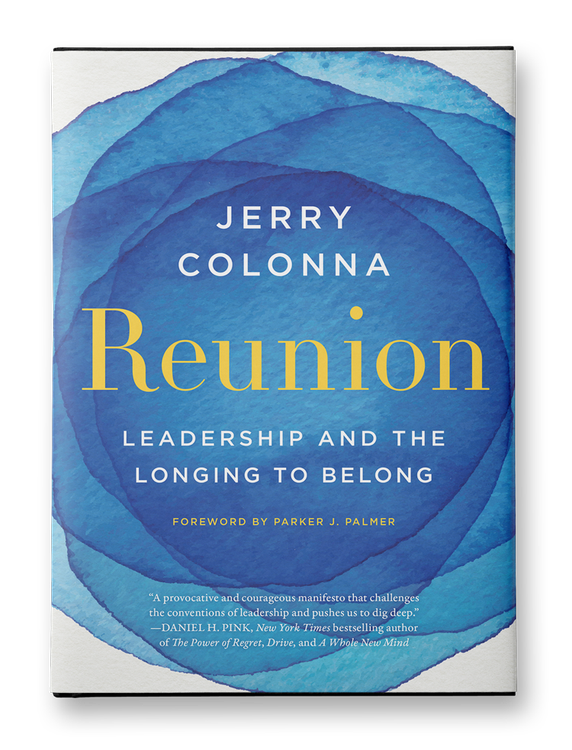
Best for: Leaders examining belonging, responsibility and the systems around them.
Reading notes & one action to try
Why it belongs on this shelf
This is reflective reading about leadership’s wider human context. It creates space to consider whose experience is visible in an organisation and whose contribution or difficulty is easy to overlook.
Try this
Ask whose perspective is missing from a decision you are making. Create a respectful way for that perspective to be heard before deciding.
Keep in mind
Choose this for deeper reflection; it is not a quick operating manual for team performance.
Best for: Founders who want to understand their own patterns as leaders.
Reading notes & one action to try
Why it belongs on this shelf
Leadership problems can bring personal assumptions into sharp focus. Colonna’s reflective approach is useful when the same reaction keeps appearing across different people, situations or stages of a business.
Try this
After a difficult interaction, separate what happened from the story you told yourself about it. Identify one question you could ask before reacting next time.
Keep in mind
Personal reflection complements practical management; it does not remove the need to clarify roles and expectations.